
Understanding the difference — and why it matters for your smile
Understanding the difference between a dentist and a Specialist Orthodontist can help you make a confident, informed decision about your orthodontic care.
Both play important roles in maintaining oral health, but they are trained to do different things.

All Specialist Orthodontists first qualify as dentists. After completing dental school, they then undertake a minimum of three additional years of full-time postgraduate specialist training focused entirely on orthodontics.
A Specialist Orthodontist (additional 3 years training) is trained specifically in:
A dentist, on the other hand, focuses on:
For this reason, orthodontic treatment is best planned and supervised by a Specialist Orthodontist, while regular dental check-ups should continue alongside orthodontic care.
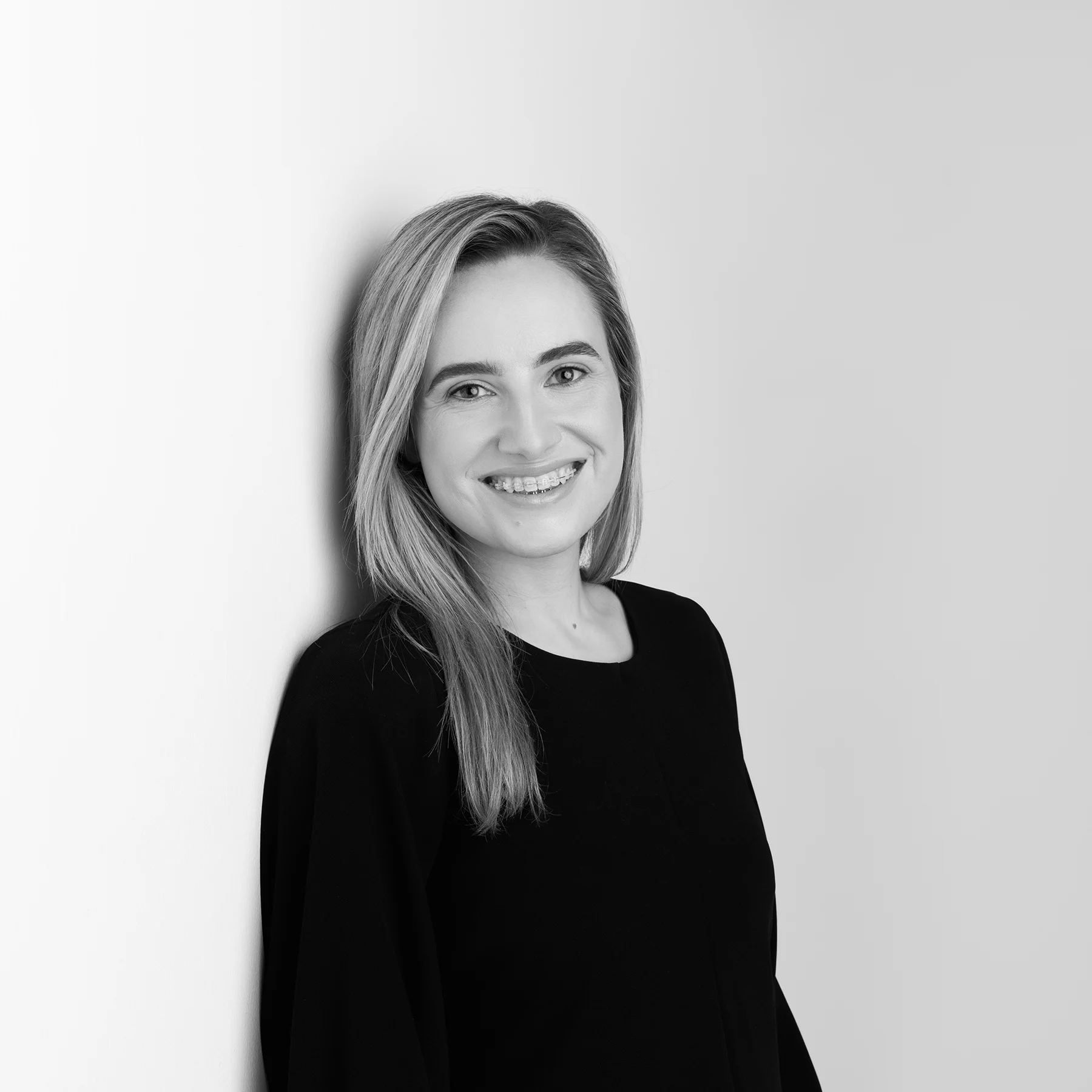
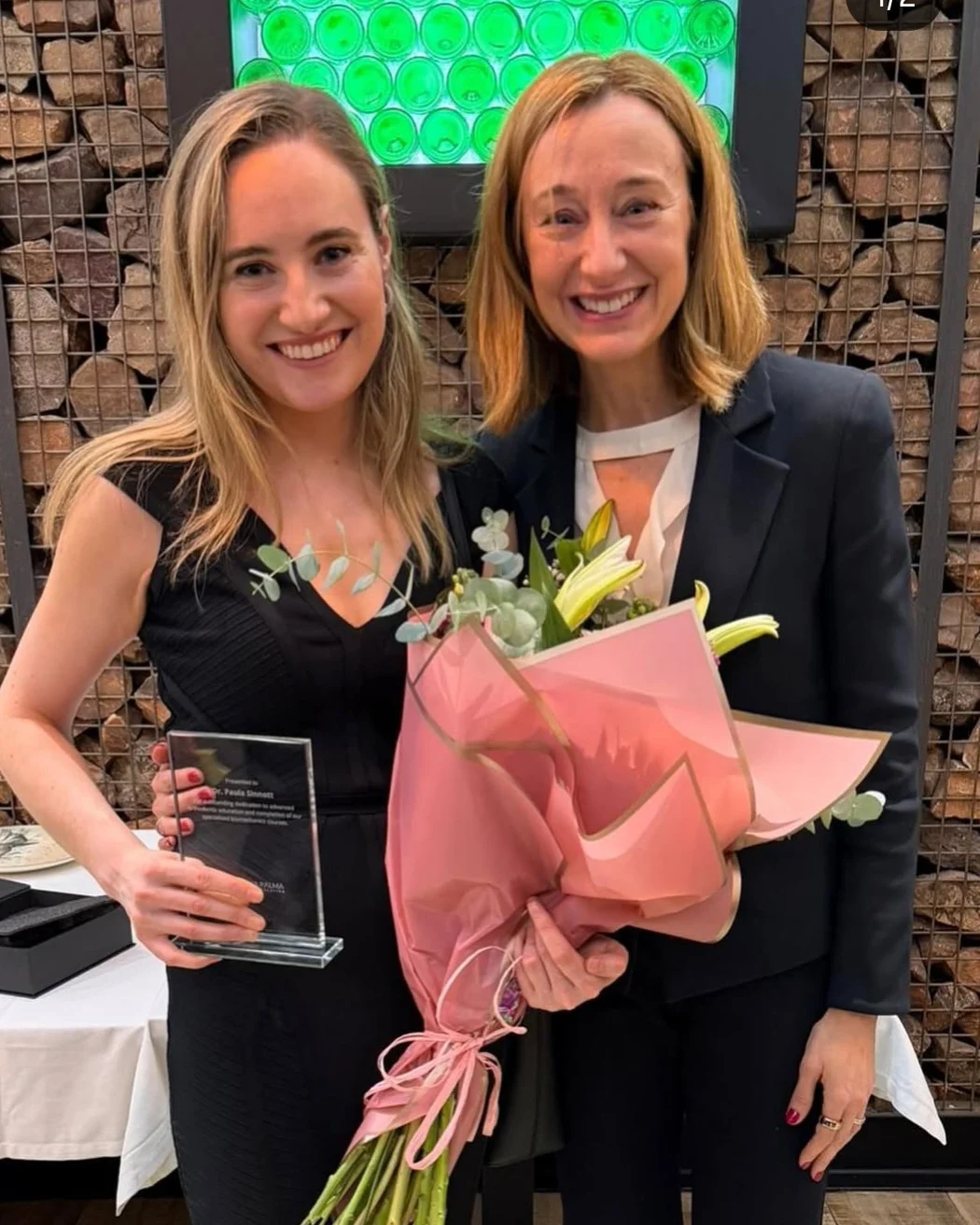
At Synergy Orthodontics, your care is led by Dr Paula Sinnott, who is both Specialist- and Consultant-trained in orthodontics.
Consultant-level training goes beyond specialist training and equips an orthodontist to manage the most complex cases, including:
This advanced training (additional 2 years training) allows Dr Sinnott to diagnose, plan and coordinate treatment at the highest level, ensuring all aspects of care work together.
A joined-up, multidisciplinary approach
For complex cases, orthodontic treatment often forms just one part of a wider care plan.
Dr Sinnott routinely works in close collaboration with:
This joined-up, multidisciplinary approach ensures that orthodontic, surgical and restorative treatment is carefully coordinated — leading to safer treatment, better outcomes and long-term stability.
Whether treatment is straightforward or complex, every patient benefits from expert planning, careful monitoring and clear communication. At Synergy Orthodontics, all treatment is planned and supervised by Dr Paula Sinnott, ensuring:
Synergy Orthodontics offers a range of treatments including fixed braces for children, teenagers, and adults, as well as clear aligners for suitable cases. Treatment options are carefully selected following a specialist assessment to ensure the most effective and appropriate approach for each patient.
If you’re considering orthodontic treatment for yourself or your child, a specialist and consultant-led assessment is the best place to start. Book your consultation today. Meet Dr Paula Sinnott, Specialist & Consultant-trained Orthodontist at Synergy Orthodontics, Dublin, and find out which treatment options are most suitable for your smile.